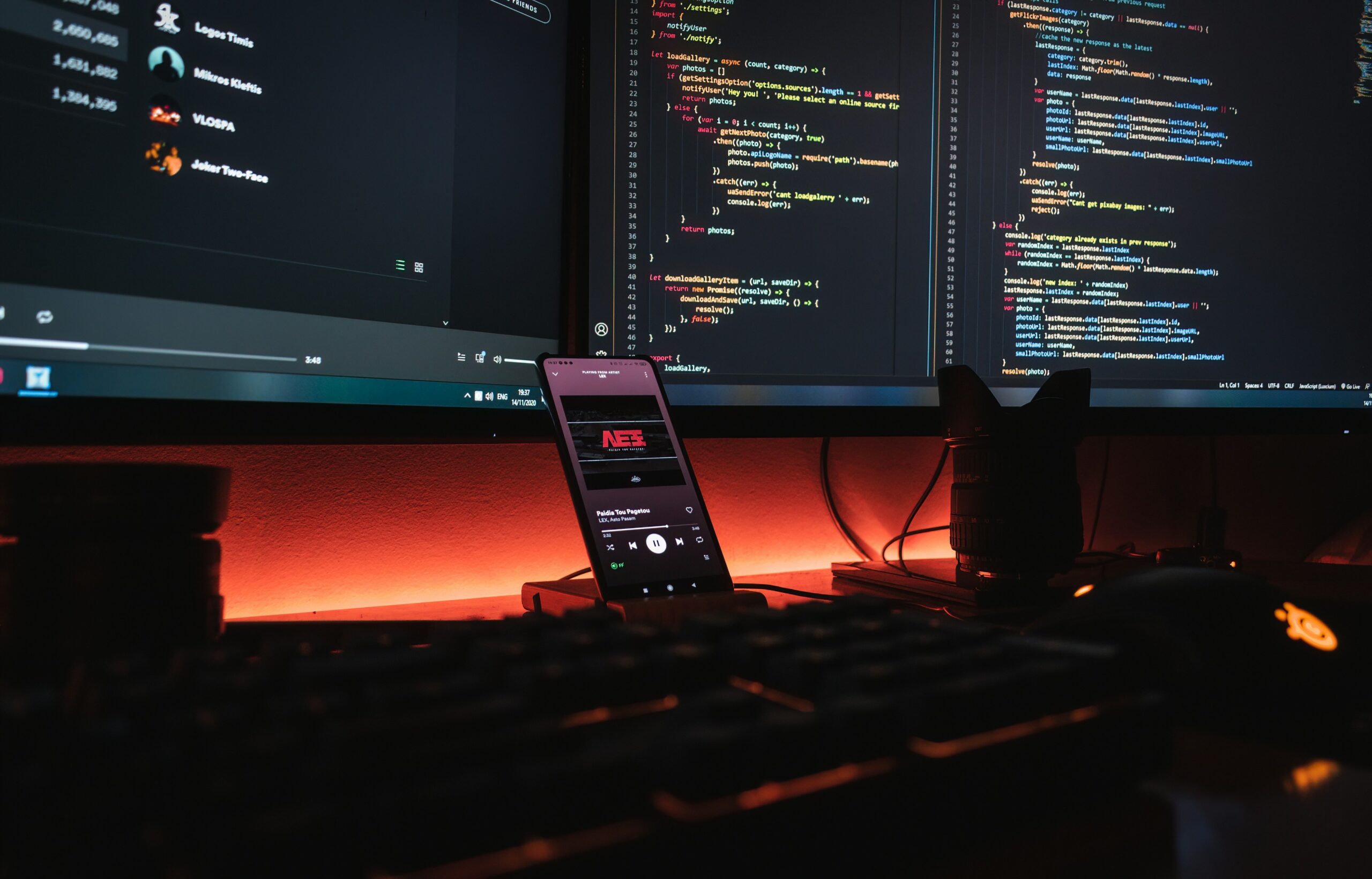
How to Learn Programming the Easiest Way
Learning programming can feel like trying to understand a secret language at first. You open a tutorial, see a bunch of symbols, brackets, errors, and strange words like “variables” and “functions,” and suddenly your brain wants to close the laptop and go make tea.
Totally normal.
The good news is that programming is not about being a genius. It is about learning how to think step by step, solve small problems, and keep going when your code acts like it has personal beef with you.
Let’s break down the process so you know what to focus on, one piece at a time.
Start With One Language
One of the biggest mistakes beginners make is jumping from one language to another.
Today it is Python. Tomorrow it is JavaScript. Next week, it is C++. After that, some random YouTube video says Rust is the future, and now you are lost.
Pick one beginner-friendly language and stay with it for a while.
For most beginners, I would recommend Python because it is clean, readable, and used in many areas, including web development, automation, data analysis, AI, and scripting.
JavaScript is also a great choice, especially if you want to build websites.
The point is not to find the “perfect” language. The point is to start.
Learn the Basics Properly
Before building big apps, you need to understand the small building blocks.
Focus on:
- Variables
- Data types
- Conditions
- Loops
- Functions
- Lists or arrays
- Basic input and output
- Simple error fixing
Do not rush this part. These basics are like the alphabet of programming. Once you understand them, everything else becomes easier.
Practice More Than You Watch
Watching tutorials feels productive, but it can trick you into thinking you are learning more than you actually are.
You watch someone build a calculator app and think, “Yeah, I get it.” Then you try to build one alone, and suddenly your code looks like a crime scene.
That is because programming is learned by doing.
After every lesson, write code yourself. Change things. Break things. Fix things. Try to make your own tiny version of what you learned.
Even 30 minutes of real practice is better than three hours of just watching videos.
Build Small Projects
Projects make learning fun because you are actually creating something.
Start with simple ideas like:
- A calculator
- A number guessing game
- A to-do list
- A password generator
- A simple quiz
- A weather app
- A personal portfolio page
Do not worry if your first projects look ugly or basic. That is the point. You are training your brain.
Your first project does not need to impress anyone. It just needs to teach you something.
Learn How to Google Problems
Every programmer searches online. A lot.
Professional developers still look up errors, syntax, documentation, and examples, so do not feel bad when you need help.
The skill is learning how to ask better questions.
Instead of searching:
“How to fix code not working?”
Search something like:
“Python TypeError unsupported operand types for int and str”
The more specific you are, the faster you find answers.
Do Not Fear Errors
Errors are not proof that you are bad at programming. Errors are part of programming.
Actually, errors are useful because they tell you what went wrong. At first, they look scary. Later, you start reading them like clues.
When you get an error:
- Read the message slowly.
- Look at the line number.
- Check what changed recently.
- Search for the exact error online.
- Try one fix at a time.
Debugging is not a side quest. It is the main game.
Be Consistent, Not Intense
You do not need to study eight hours a day.
A better plan is simple:
Study for 30 to 60 minutes every day, or almost every day.
Consistency beats motivation. Motivation comes and goes, but habit carries you when your brain is not in the mood.
Even small daily progress adds up fast.
Join a Community
Learning alone can feel boring and frustrating. Join spaces where other beginners and developers hang out.
You can use:
- Discord communities
- Reddit programming groups
- GitHub
- Stack Overflow
- Local coding clubs
- Online bootcamp communities
Ask questions. Share progress. Read other people’s code. You will realize that everyone struggles at some point.
That makes the journey feel less lonely.
Do Not Try to Memorize Everything
Programming is not about memorizing every command.
It is about understanding concepts and knowing how to find information when needed.
You will forget syntax. You will forget function names. You will forget where that one bracket goes.
That is fine.
Focus on understanding how things work. The details become easier with practice.
Follow a Simple Learning Path
Here is an easy beginner roadmap:
First, learn the basics of one language.
Then, solve simple exercises.
After that, build small projects.
Next, learn how to use Git and GitHub.
Then, choose a direction:
- Web development
- Mobile apps
- Game development
- Data science
- AI
- Automation
- Cybersecurity
You do not need to choose everything at once. Explore a little, then go deeper into what feels interesting.
Final Thoughts
The easiest way to learn programming is not to search for a magical shortcut.
It is to keep things simple.
Pick one language. Learn the basics. Practice daily. Build small projects. Make mistakes. Fix them. Repeat.
That is really it.
Programming may look hard at first, but every developer starts with confusion, bugs, and tiny wins. Keep showing up, and one day the things that feel impossible now will feel normal.
And when your code finally works after hours of struggle?
It’s Amazing.

Leave a Reply